I’m considering using AI-generated headshots for my LinkedIn and company website instead of paying for a professional photographer. The samples look impressive, but I’m worried they might seem fake, over-edited, or unprofessional to recruiters and clients. Has anyone here actually used AI headshots for job applications, networking, or personal branding, and did they help or hurt your results? Looking for honest experiences and tips on whether they’re worth it, what tools you used, and any red flags to avoid so I don’t damage my professional image.
Short version: yes, they work for normal stuff, but not like a perfect replacement for a real photographer.
I’ve been messing with AI headshot tools for a while now, mostly for LinkedIn, company bios, and random profiles. They got a lot better over the last year. Lighting looks normal, skin doesn’t always look like plastic anymore, and the backgrounds look like something you might see from a paid studio.
Example from one of my runs:
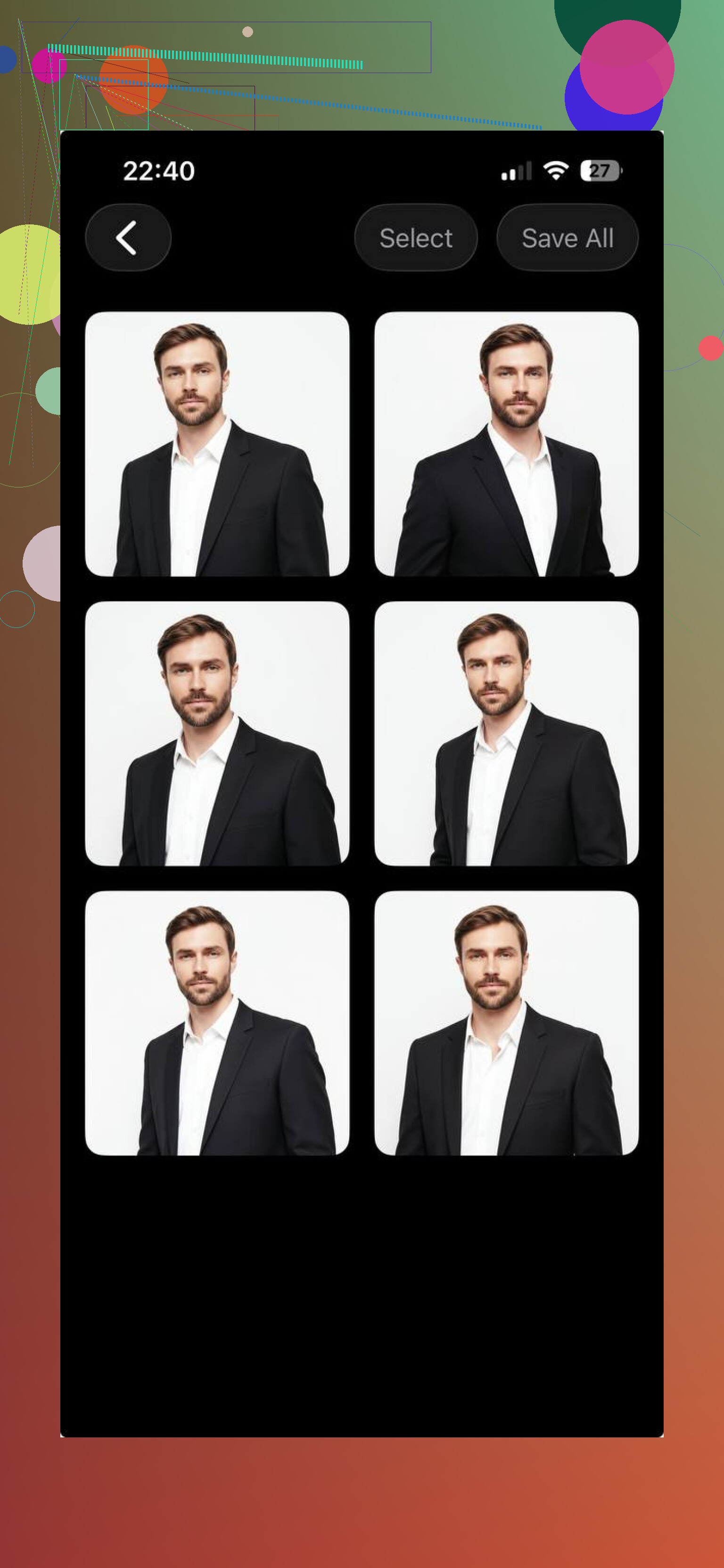
When you scroll fast through those, they pass as “real photos” for most people. Colleagues and recruiters never asked if mine were fake. If you do not zoom in and pixel peep, they sit in that “good enough for work stuff” category.
Where things fall apart a bit is consistency. You never get a full set of 20 perfect shots. It feels more like:
- 3 or 4 are great, you would use them anywhere.
- 5 or 6 are acceptable, maybe for internal tools, Slack, Discord, whatever.
- The rest look off. Wrong jawline, weird eyes, skin too smooth, hair doing something you never had in your life.
That pattern seems pretty normal across tools.
The app you pick matters a lot. The quick, one-photo “instant” generators spit out something that looks polished, but half the time it does not look like your face, more like a cousin. Good for fun, not great if your coworkers have to recognize you from it.
The ones that ask you for multiple selfies feel slower and more annoying, but they tend to nail your look better. For example, I tried Eltima AI Headshot Generator on iPhone:
You give it a pack of selfies, different angles, different expressions. It builds a sort of internal version of your face, then spits out a whole batch of headshots. That gave me way more “this is actually me” photos instead of the generic model-face vibe.
There is a walkthrough video for it here:
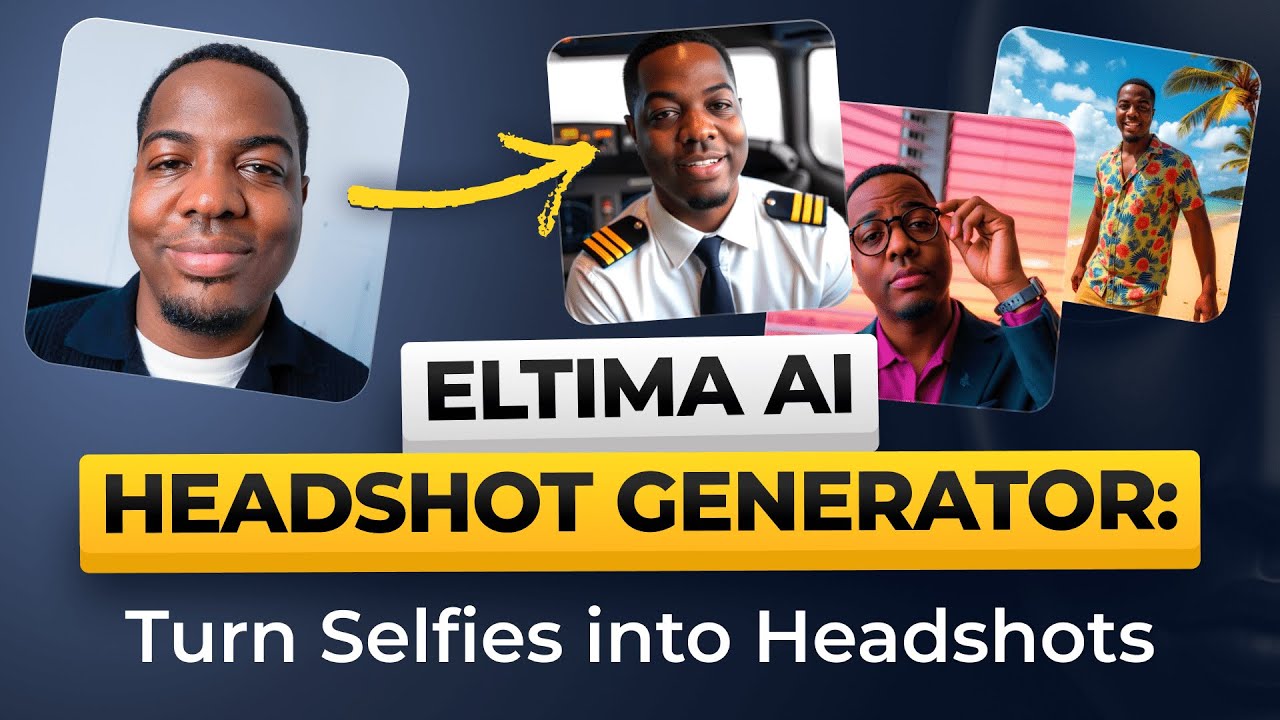
And yeah, these are some samples I got out of Eltima:
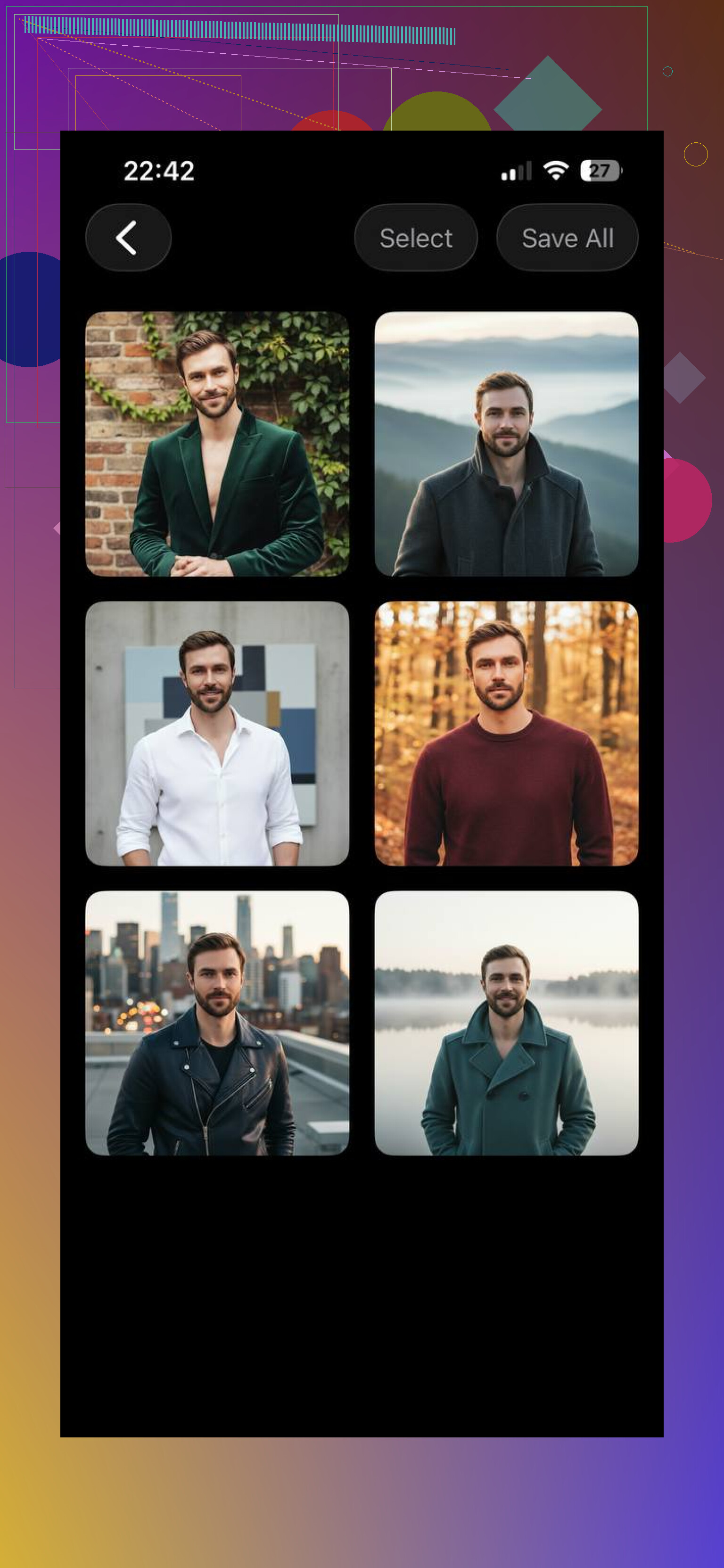
Those were good enough for LinkedIn and a couple of conference speaker profiles. No complaints from organizers or HR.
Something people underestimate a lot is the source photos. Your input matters more than the marketing copy of the app.
What helped me:
- Clear selfies, not blurry phone-in-a-bathroom-mirror stuff.
- Neutral or simple backgrounds.
- No heavy filters.
- Different angles, not 15 identical front-facing shots.
One time I fed it old, grainy bar photos and some low light shots from a cheap Android. The results were bad. Off proportions, weird skin, wrong hairline. When I switched to decent, well-lit selfies, the quality jumped up. So, if your source photos are плохие, the output will look плохие, nothing magic there.
Comparing it to a real photoshoot I did a while back:
AI:
- Fast. I got about 50 usable-ish images in under an hour.
- Cheap. No studio booking, no travel, no picking outfits for multiple looks.
- Private. No awkward posing in front of a stranger.
Photographer:
- Nailed my personality better.
- Colors and lighting were locked-in accurate.
- Expressions looked less stiff; the photographer coached me into better poses.
For anything high stakes like a book cover or big press feature, I would still go with a photographer. For LinkedIn, Slack, company Notion, portfolio, and random profiles, AI has been fine.
If you want to push toward more reliable results, I would lean toward tools that build a model of your face rather than the “upload one pic, get instant magic” stuff. Eltima felt decent for that:
You still will not use every image. Expect to delete half, bookmark a handful, and lock in 2 or 3 solid ones. That seems to be the realistic sweet spot right now.
Short version from my side: use AI for some stuff, pay a photographer when the stakes are high.
I agree with most of what @mikeappsreviewer said, but I am a bit less optimistic on “no one notices”. People in recruiting and branding circles talk about AI headshots a lot now. They look at eyes, teeth, ears, jewelry, hairlines. When they zoom in, they often spot it.
Think in three buckets:
- Where AI headshots work fine
- LinkedIn profile when you work in tech, product, design, startups.
- Internal tools, Slack, Notion, org charts.
- Conference CFPs where you are one of 100 speakers and the photo is tiny.
- Early stage portfolio site where you are still iterating on your brand.
- Where a photographer is safer
- Company leadership page.
- Personal site if you sell services and charge higher rates.
- PR, press, book covers, investor decks.
- Roles in law, finance, healthcare, government, consulting, where trust and ethics are a big deal.
People do not only judge “does this look real”. They also judge intention. A few reactions I have seen from hiring managers:
- Neutral or positive when the headshot looks like a normal photo and the role is casual.
- Mildly negative when the person looks much younger or slimmer than real life.
- Strongly negative when it feels like they are hiding acne, age, or weight altogether.
Some companies now have policies around synthetic images in official profiles. If your company site leans conservative or traditional, ask HR or marketing before you upload an AI shot.
On the “fake or over edited” worry, here is a practical test:
- Print the AI headshot on paper at passport size.
- Put it next to a normal selfie from your phone, taken in good window light.
- Ask 3 coworkers or friends which one feels more like “you” at work, not which one is prettier.
If 2 out of 3 pick the selfie, I would not use the AI one on LinkedIn. Use AI only when it still looks like how you appear in a Zoom call.
A few tips to make AI output feel less fake, without repeating the training advice from @mikeappsreviewer:
- Avoid “perfect studio” prompts. Ask for simple lighting, natural colors, minimal retouching.
- Keep clothes close to what you wear at work. No random tuxedo or hyper-tailored blazer if you never dress like that.
- Do not pick the smoothest face. A bit of texture, eye lines, slight asymmetry looks more human.
- Match your current hair length and style. No fantasy haircut.
- Do not use AI to change face shape, nose size, or body size. That crosses into deception fast.
One thing people overlook. A good phone photo in front of a window beats a mediocre AI headshot. If your budget is tight, do this:
- Stand 1 or 2 feet from a window, light hitting your face from the side.
- Plain wall behind you, no clutter.
- Ask a friend to take 30 shots on a newer phone at eye level.
- Pick one, crop to head and shoulders.
Cost: free. Quality: enough for LinkedIn for many fields.
If you want a simple rule:
- If your face is part of how you build trust or sell expertise, invest in a real photographer at least once every 3 to 4 years.
- If you are mostly using the photo as an ID tile among many, AI is fine as long as it matches how you look in daily life.
AI is a tool, not a full replacement. Use it where expectations are low and speed matters. Use a human when authenticity and trust carry more weight than convenience.
Short answer: AI headshots can cover a lot of use cases, but they don’t really replace a good human photographer, especially once trust and seniority enter the picture.
@mikeappsreviewer is right that they’re “good enough” for most day to day stuff, and @andarilhonoturno is right that people in hiring / branding are already trained to spot them. Those two takes sound contradictory, but they actually describe the split pretty well:
- Random internet: “Looks fine.”
- People who stare at faces for work: “Hmm, that’s AI, right?”
Where I slightly disagree with both: I think the big issue is not realism, it is expectations management.
If someone meets you on Zoom and thinks “you look older / bigger / different than your photo,” that hits your credibility more than whether the file was made in a camera or a GPU. A perfectly real but heavily retouched studio photo can damage trust just as much as an AI one.
So instead of “AI vs photographer,” the better question is:
“Does this image match what I look like when I join a work call or walk into a meeting?”
If the AI shot passes that test, you are probably fine for:
- LinkedIn when you are not in a very conservative industry
- Internal tools and org charts
- Speaking proposals where your photo is tiny in a list
Where I’d be very cautious using AI on your company website:
- Leadership page or “About” page for a client facing role
- Anything where your face sells services or consulting
- Fields like finance, law, healthcare, government, sales to enterprise buyers
There is a subtle brand signal here. If a potential client clicks your bio and sees an image that feels AI generated, the thought is often not “wow, they are tech savvy,” it is “why did they not invest 200–300 bucks in real photos if they want my business?” That may be unfair, but it is how a lot of people subconsciously read it.
Couple of practical angles that have not been hit as much:
-
Legal / policy risk
Some AI tools are trained on broad datasets and the licensing language is vague. If your company is cautious about IP, privacy or biometric data, they might not want an externally generated synthetic face as your official representation. Worth a 2 minute check with HR or marketing instead of explaining it later. -
Future audit problem
Imagine 3 years from now, your industry adopts stricter “no synthetic imagery in official materials” rules. If your company site or investor deck is full of AI faces, somebody has to redo everything. That will annoy your future self. -
Inconsistent identity across platforms
One trap: you pick a great AI headshot, then your Slack picture is a casual phone snap, then someone tags you in real conference photos. If the AI image is “aspirational plus 15%,” that contrast sticks out. It is not about vanity, it is about internal consistency: same hair, same age, same vibe. -
Perception by age group
Super rough pattern:- 20s / early 30s in tech / design: mostly chill with AI headshots if not extreme
- 40s+ or traditional sectors: higher chance of “this feels off / staged / fake” reaction
So your target audience matters more than the technical quality.
If I were in your exact spot deciding right now:
-
For LinkedIn:
- If you are in tech, product, design, data, or similar, an AI headshot that looks very close to how you are on camera is ok. Avoid the plastic skin, ultra perfect jawline, weird bokeh.
- If you are in law, finance, consulting, medicine, or aiming at exec roles, I would still prioritize a modest real photo over a flawless synthetic one. Even a basic window light phone shot, lightly edited, is usually better from a trust standpoint.
-
For the company website:
- If it is a casual startup and everyone else is also using stylized or obviously processed pics, AI may blend in fine.
- If it is a B2B, enterprise, or “we manage your money / health / legal risk” site, I would not make AI your first choice. At minimum, clear it with whoever owns brand.
If budget is the only blocker, I would actually rank options like this:
- A small, local photographer doing a quick 30–45 minute session. Often cheaper than people assume, and you get 3–5 solid shots you can reuse everywhere for years.
- A friend with a newer phone, natural light, simple background, light editing. Not glamorous, but honest and consistent.
- A subtle AI headshot that looks like you on a good day, not a different person.
AI is great for volume, experiments, different outfits and backgrounds, and quick updates when your hair or glasses change. It is not so great as the single, central “this is who I am professionally” image in contexts where trust is fragile.
So: yes, you can use AI, especially for LinkedIn. Just avoid the temptation to dial in the “perfect version” of yourself. If your AI headshot looks like you in a normal week, and you would not be nervous showing up to a client call right after they saw it, you are probably in the safe zone.
Short version: treat AI headshots as “nice placeholders,” not as the foundation of your professional brand, especially if your company site leans serious.
@andarilhonoturno is right that recruiters are getting very good at spotting them, and @nachtdromer nailed the expectations issue. I’m a bit closer to @mikeappsreviewer on one thing: most day‑to‑day viewers do not care how the image was created, they care if you look trustworthy and consistent across platforms.
Where I diverge slightly from all three: I think people are underestimating how fast the social norms are shifting. What is “borderline deceptive” today might be “just standard filtered portrait” in two years. That does not help you right now though, so here is a more opinionated breakdown.
When AI headshots are probably fine for you
- You are in tech, design, product, data, marketing.
- Your LinkedIn is used more for networking and less for landing roles in conservative industries.
- Your company site is a startup / SaaS with playful branding, not a law firm.
- You stick to an image that looks like you on a normal Zoom call: same age, same weight, same hair.
In that world, a well chosen AI shot can actually be better than a badly lit, noisy phone selfie. I would not overthink it.
Where I would personally avoid AI, even if it “looks real”
- Any leadership or “About the team” page where clients decide whether to send you money.
- Services roles where you are the product: coaches, consultants, therapists, fractional CXO.
- Anything that might end up in press coverage, investor docs or speaking keynotes.
Here I’m a bit stricter than @mikeappsreviewer. The bar is not “can people tell,” it is “does this signal that I invest in my professional image.” A decent, real phone portrait in window light scores higher on that signal than a flawless synthetic shot that feels slightly uncanny.
On the “fake / over edited” concern
You are right to be worried. The visual tell is not only technical artifacts (ears, teeth etc. like @andarilhonoturno mentioned) but stylistic sameness: perfectly creamy bokeh, slightly too even skin, identical studio vibes everyone else has. That sameness is starting to scream “AI” even when the rendering is clean.
If you still want to use an AI headshot, think less about the generator tricks that others already listed and more about distribution strategy:
- Pick one AI image that is conservative, not hyper glamorous.
- Make sure your other public photos (tagged event pics, conference shots) are not wildly different.
- Do not rotate AI styles every few months, or you will look like a different person each time.
About the product title ’
Since you mentioned deciding between AI and a paid shoot, treat any AI headshot product, including ', as a convenience tool, not a magic branding solution.
Pros of using ’ in this context:
- Fast way to test what styles of photo fit your face and industry.
- Cheap way to generate multiple compositions so you know what to ask a real photographer for later.
- Good for “filler” use cases: internal tools, conference CFP thumbnails, hackathon bios.
Cons of relying on ':
- Still tied to the same perception risks: if the output looks slicker than you in real life, you invite trust friction.
- Legal, data and company-policy gray areas if they are using your face to train models.
- Output style might be recognizable as “this specific AI app” which makes your brand look templated.
Use something like ’ as a drafting board: generate a bunch of looks, notice what angles and outfits make you feel “this is me, but slightly more polished,” then either select the most realistic one for low stakes use or bring those references to a photographer.
How I would decide in your shoes
-
LinkedIn:
- In tech / creative fields: a restrained AI headshot that clearly looks like you is acceptable.
- In conservative or client‑heavy fields: a simple real photo wins, even if less glamorous.
-
Company website:
- Ask whoever owns brand/HR. Some places are already quietly banning synthetic headshots, and you do not want to be the test case.
- If no clear policy, still lean real if your role touches clients, money or compliance.
Compared with @andarilhonoturno, @nachtdromer and @mikeappsreviewer, I am slightly more bullish on AI as a temporary solution and slightly more bearish on it as the “main face of your career.” Let AI cover the gaps, experiment with looks and handle low‑stakes tiles. For the places that define your long‑term professional identity, a real camera and human behind it is still the better bet.