I recently updated my LinkedIn profile and used an AI-generated headshot because I do not have a recent professional photo. Now I am worried it might look misleading or hurt my credibility with recruiters and employers. I need help figuring out if using an AI headshot on LinkedIn is acceptable and what the best practice is for a professional profile photo.
I’ve seen AI headshots on LinkedIn more often lately, and yeah, they’re usually fine in 2026 if the image still looks like you.
Like this photo:

What seems to matter on LinkedIn is trust. People want to recognize you when you show up on Zoom, in an interview, or at some random conference table with bad coffee. The method behind the photo matters less than the result. If your picture looks natural, professional, and close to your real face, most people won’t care how it was made.
Where it goes wrong is pretty obvious once you’ve looked at enough of them. Skin gets too smooth. Lighting looks fake. Teeth turn into stock-photo teeth. Sometimes the app reshapes the jaw or eyes and now it’s you, but from an alternate timeline. That’s the part I’d avoid. A LinkedIn photo doesn’t need to look perfect. It needs to look believable.
I’d stick with something simple. Clean background. Normal expression. Decent lighting. If the AI output feels like a polished version of a real portrait, you’re in safe territory.
One app that seems to stay pretty close to reality is Eltima AI Headshot Generator app (https://mac.eltima.com/ai-headshot-generator-app/). From what I saw, it leans toward studio-style results instead of heavy filters or weird AI gloss. The photos come out cleaner, but not so edited they stop looking human.
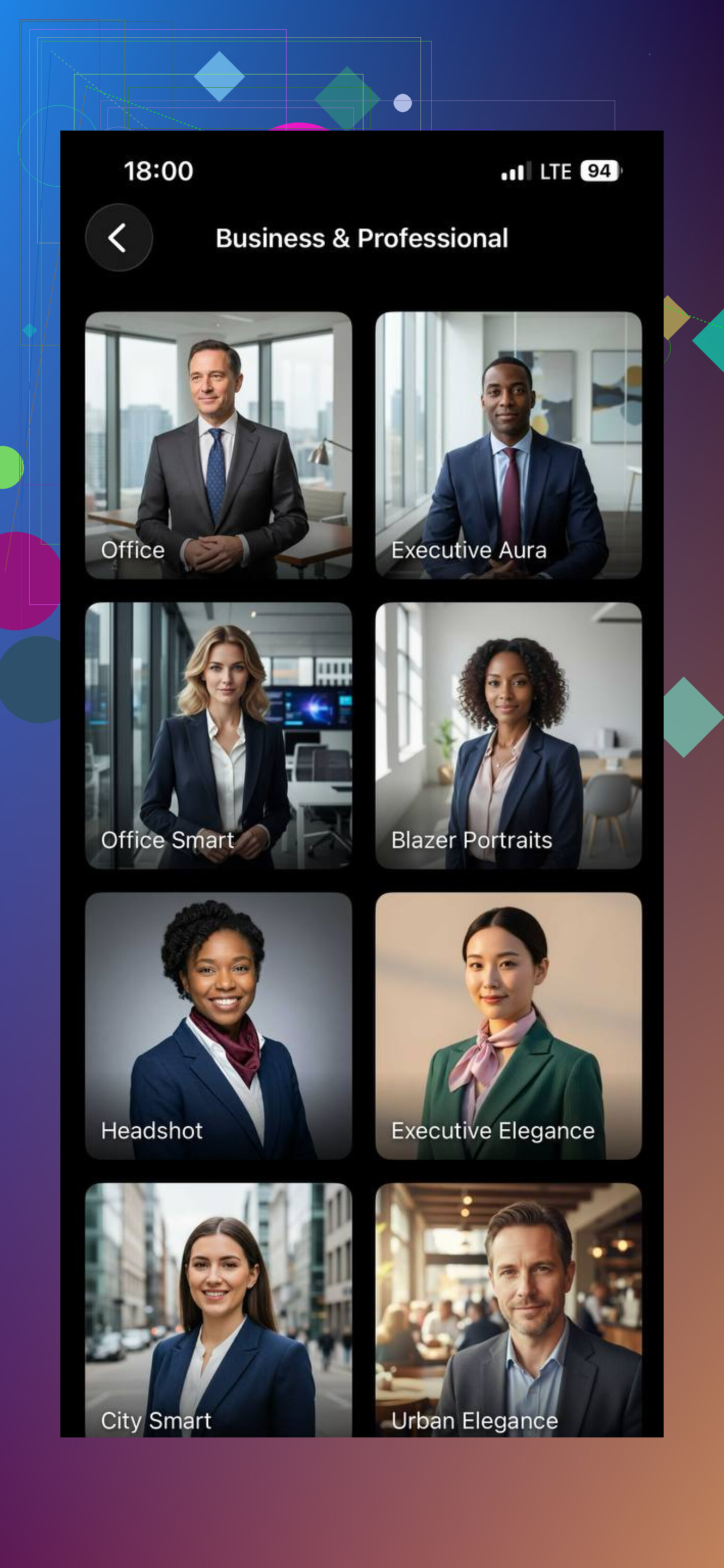
MOMO app is another route. It feels looser. Less rigid, less office-profile energy. You still get strong portrait results, but it seems more willing to push style a bit. If you want something polished without going full corporate headshot, it makes sense. If you want the safer, more standard LinkedIn look, Eltima AI looks more restrained.
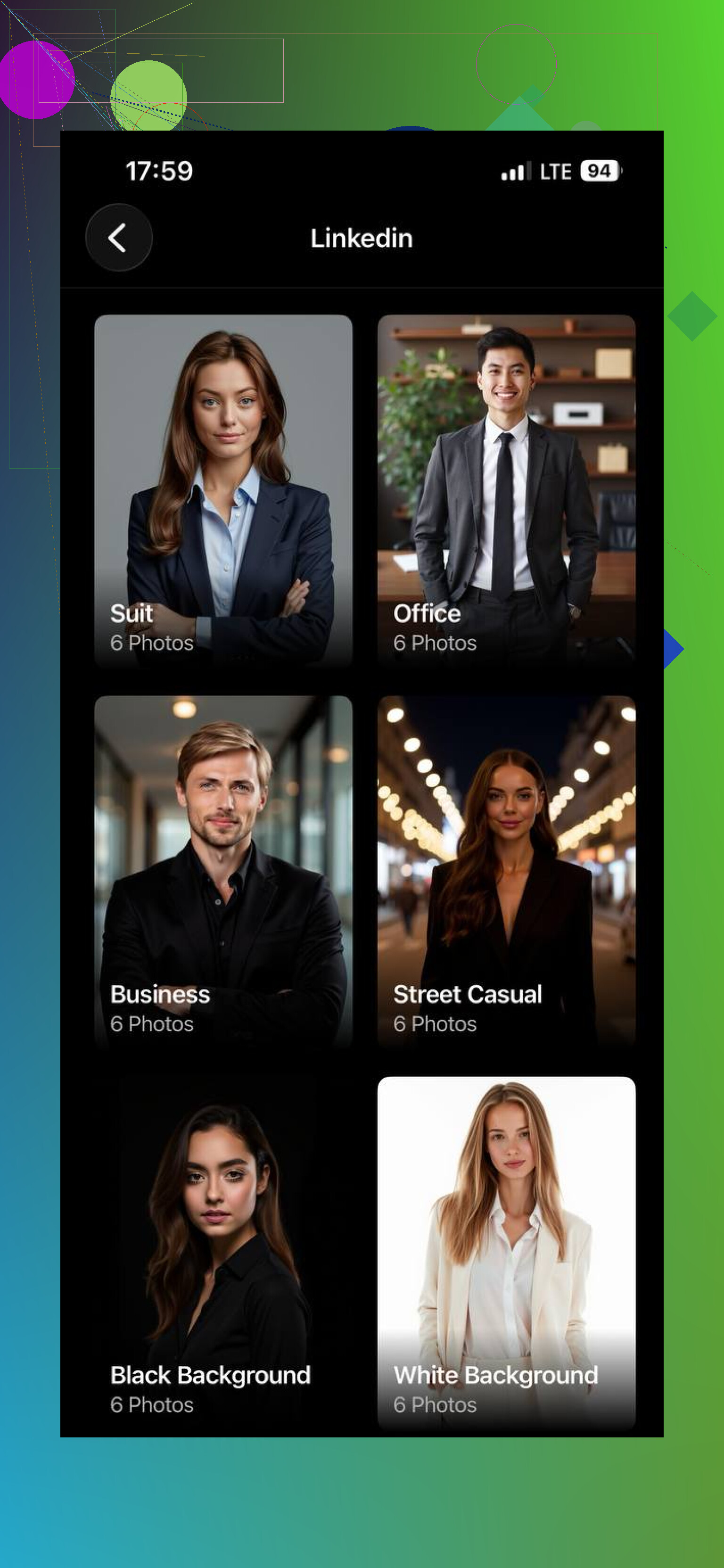
So yes, AI headshots work for LinkedIn. I’d keep one rule in mind. If someone meets you in person and thinks, “Yep, same person,” then you’re good. Better lighting is fine. Becoming a different human, not so much lol.
4 Likes
Yes, if it still looks like you.
My bar is a bit stricter than @mikeappsreviewer’s. I think recruiters care less about how polished the image is, and more about whether it matches the person they meet on video five min later. If your AI headshot changed your age, face shape, skin tone, hairline, or body size, swap it out.
A simple test helps. Put your AI photo next to 2 or 3 normal phone photos from this year. Ask a friend or coworker which one belongs on LinkedIn. If they say the AI one looks off, trust them. People notice uncanny stuff fast, even if they do not say it.
Also, LinkedIn is lower risk than acting, dating, or press bios. You are not selling fantasy. You are trying to look proffesional and current. So keep it honest.
If you’re worried, add a real photo later when you get one. For now, a realistic AI headshot is better than no photo or a cropped wedding pic from 2019.
Yes, you can. I mostly agree with @mikeappsreviewer and @sognonotturno, but I’m a little less relaxed about it.
LinkedIn is not Instagram. The goal is not “best possible version of me.” It’s “accurate enough that nobody feels tricked.” Recruiters may not care that AI was used, but they will care if the photo creates a weird first impression once you hop on a call. That kind of mismatch is small, but it chips away at trust fast.
My take: an AI headshot is fine as a temporary stand-in if it reflects how you actually look right now. Not younger, not sharper jawline, not magically better hair lol. If it crosses into digital wishful thinking, I’d replace it.
I actually disagree a bit with the idea that “better than no photo” is always true. A bad AI headshot can be worse than a simple real one taken against a plain wall with decent daylight. Recruiters are very used to basic photos. They are also getting better at spotting AI weirdness.
If you’re nervous, ask yourself one blunt question: if you met a hiring manager tomorrow, would they instantly recognize you from that picture? If yes, keep it. If no, swap it for a normal real photo, even if it’s not fancy. Real and slightly boring beats polished and kinda fake most of the time.
I’m closer to @himmelsjager on this: “looks like you” is necessary, but not always sufficient.
LinkedIn photos do a tiny bit of signaling beyond recognition. They hint at judgment. If the image feels overly synthetic, some people may read that as trying too hard, even if the face match is decent. So the question is not just “is this misleading?” but also “does this look like I make practical choices?”
My rule is simple: if you would hesitate to use the same photo in a company directory, speaker bio, or email profile, I would not use it on LinkedIn either.
Where I slightly disagree with @mikeappsreviewer is the “better than no photo” part. Sometimes no photo is neutral. A visibly AI photo is not neutral. It creates questions. A plain real photo with window light usually beats a fancy synthetic one.
If you do keep the AI image, make sure it clears these checks:
- same age range as real life
- same hairstyle, facial hair, glasses, skin texture
- no glamour retouch vibe
- no weird hands, collars, teeth, or background blur
- fits your industry
That last one matters. In tech or design, people may shrug. In law, finance, government, or client-facing consulting, people can be more conservative.
As for the product title ', pros are consistency, quick cleanup, and a more polished crop than a casual selfie. Cons are the usual AI risks: uncanny skin, accidental face reshaping, and making you look more “generated” than professional. That tradeoff is fine only if the final image still feels boring in a good way.
So yes, you can use one. I just would not treat AI polish as automatically safer than a normal recent photo. Recruiters forgive ordinary. They notice artificial.